01 · Technologies
From mold to mass production: one chain, one point of accountability
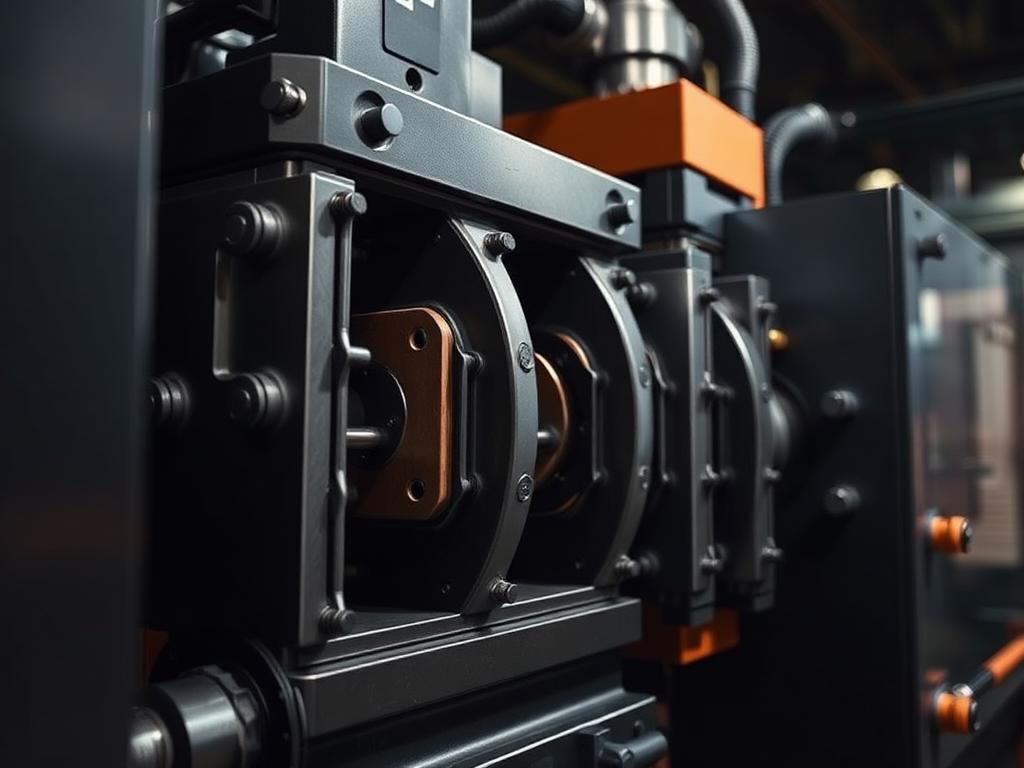
Your part does not travel between five suppliers; it moves through one chain of accountability. Our in-house mold shop KAMAS designs and builds the tooling; our injection molding, extrusion or blow molding lines produce the part; assembly and in-line testing are completed under the same roof. You receive an assembled, tested component, not just a part.
A technical reply, not a sales one
How It Works
How your project moves through the chain
Four steps, one accountable partner:
01
Upload
Submit your 3D CAD (STEP/IGES) and 2D drawings through the RFQ form, together with estimated annual volume (EAU) and target timeline.
02
Technical review
Our engineering team evaluates your part for manufacturability (DFM): material, clamping force requirement, cavitation, tooling concept.
03
DFM feedback
You receive part-specific engineering comments, not a generic confirmation: critical sections, tolerance risks, design changes that reduce cost.
04
Your quote
Tooling and piece price arrive as separate blocks, with assumptions stated in writing. On approval, the chain starts running.
The Chain, Step by Step
Five processes, one flow
01
Mold
02
Injection / Extrusion / Blow Molding
03
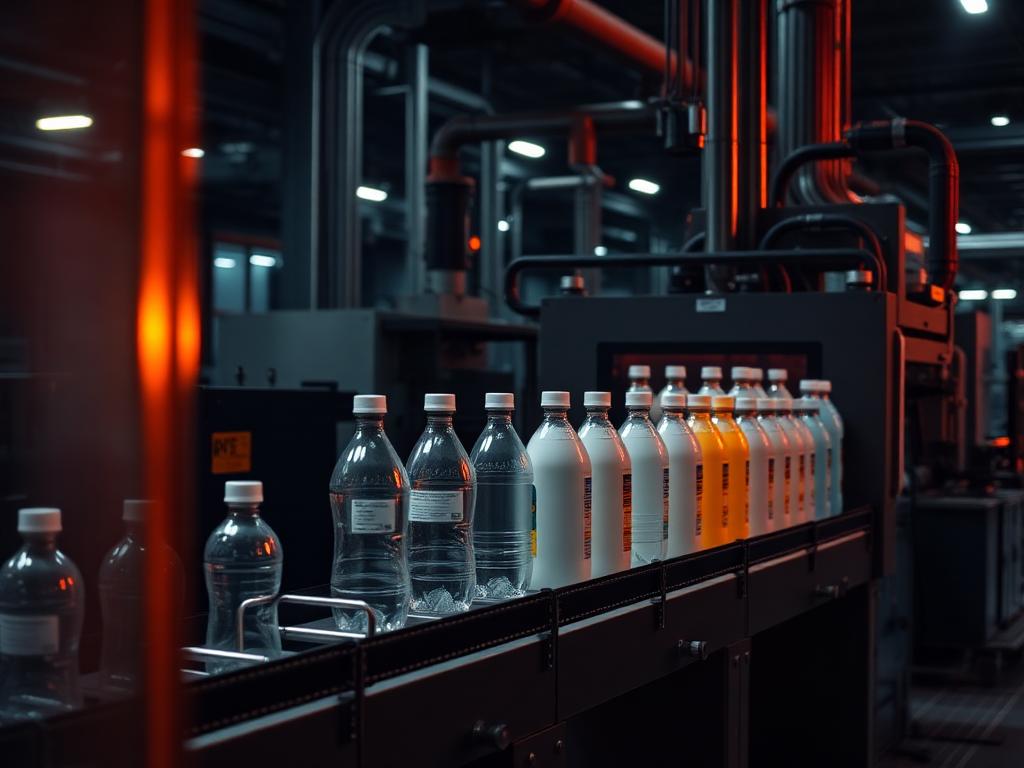
Assembly and Testing
Single Accountability
Why mold risk gets solved under one roof
The single biggest schedule risk in a plastic part program is tooling revision. In a fragmented supply model the story is familiar: the first samples show a dimensional deviation, the toolmaker is in another city, the mold goes on a truck, accountability changes hands between suppliers, and weeks are lost.
In our model the mold shop is inside the group. The revision decision, the tooling intervention and the next trial run within one chain of accountability, with one project team. The sentence "we are waiting for the toolmaker" does not exist in this chain; tooling, process and serial production meet in a single accountable partner.
The same logic continues after molding: because assembly and testing are in-line, every shipped batch enters your own line already verified. Your supplier count goes down; accountability never changes hands.
NDA, IP and Tool Ownership
Your data and your tooling: clear rules
NDA is standard
Confidentiality is our default in contract manufacturing; the RFQ form includes a "sign an NDA first" option, and your files are used for technical evaluation only.
You own your tooling
A mold you have paid for belongs to you, stated in writing in the contract. Tool maintenance records are kept and reported on request.
Reference confidentiality works both ways
We do not use customer names without permission; your project is protected by the same discipline.
RFQ
The first step of the chain is your file. Upload your CAD data and receive a part-specific engineering assessment from our technical team.
A technical reply, not a sales one